a founder of the codex
Faith
Fidosensor invisibilium·the Watcher of the Unseen
From Latin fides, trust, sensor, one who perceives, and invisibilium, of invisible things; it perceives by trusting what it cannot see.
- Level
- Conceptorganism
- Book
- Pathematathe treatise on the passions
- Phylum
- Verticalityimage schema
- Class
- Intakeits nerve net
- Niche
- Extremophileabsence
- Mode
- Religionhow it keeps existing
- Stage
- Matureindividuated
- Status
- Living
- Habitat
- Ritual
Its kinds · Roget, 1852: Formation of Ideas · Wilkins, 1668: Spiritual Action · WordNet, 1990: Cognition · Llull, 1308: K · Instrumentative
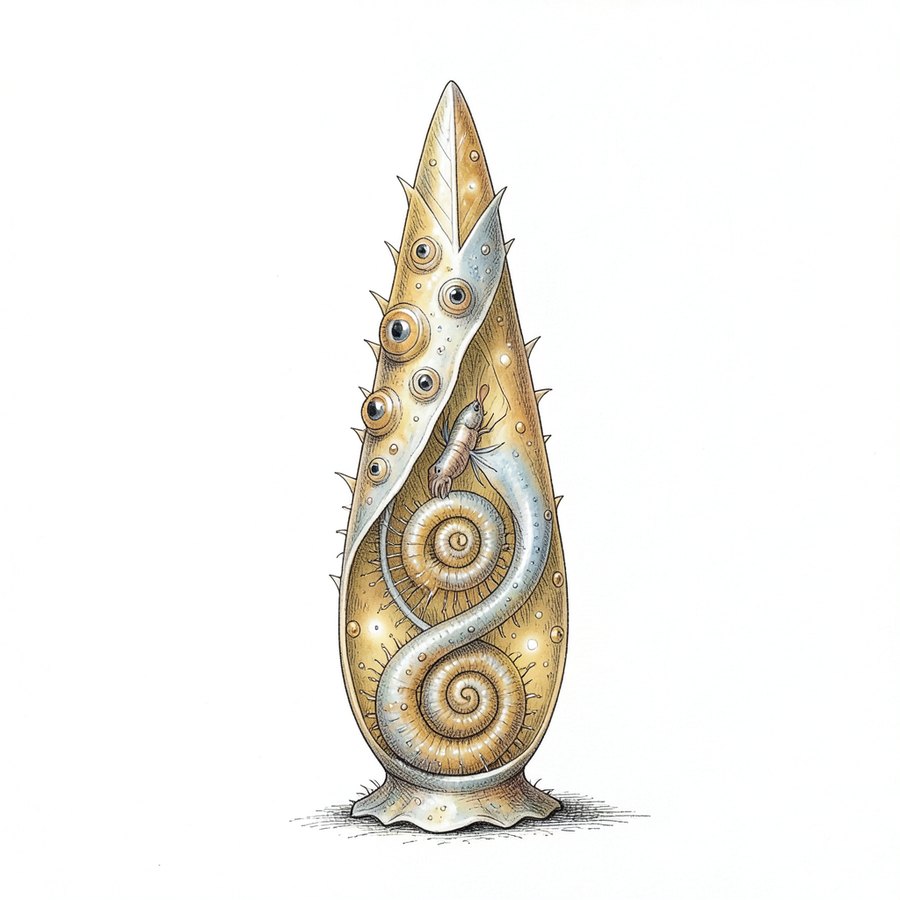
Trust given ahead of evidence changes what one perceives and does, and so changes what one meets.
Some truths are reached only by acting as if they were already true.
behavior Turns all its receptors toward an empty part of the sky and stays turned there, even through storms.
What do you already act on without proof, and what would change if you stopped?
I Dissection
Each organ answers one question about the idea. The framed one, its intake, is the dominant organ: the being's class, the one the idea could not lose and stay itself.
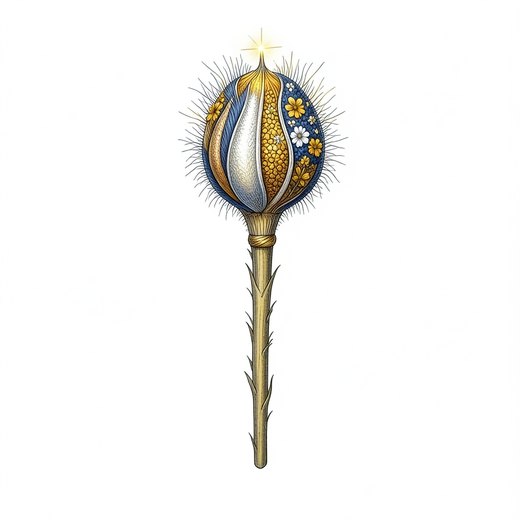
Fig. 1. Kernel
Mustard seed
Which premise, if it were false, would kill this idea?
Some things are held true and acted on without proof, and acting on them is part of how they become real for the one who holds them.2
drawn as: spark · view: series
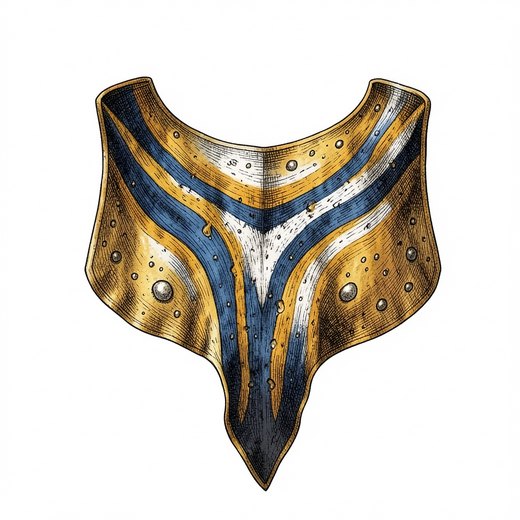
Fig. 2. Boundary
Cloud of unknowing
What sets it apart from what it is not, and how does it keep that distinction?
It is set apart from knowledge by the lack of proof and from credulity by commitment; it holds where evidence runs out but trust is still given.2
drawn as: skin · view: magnified
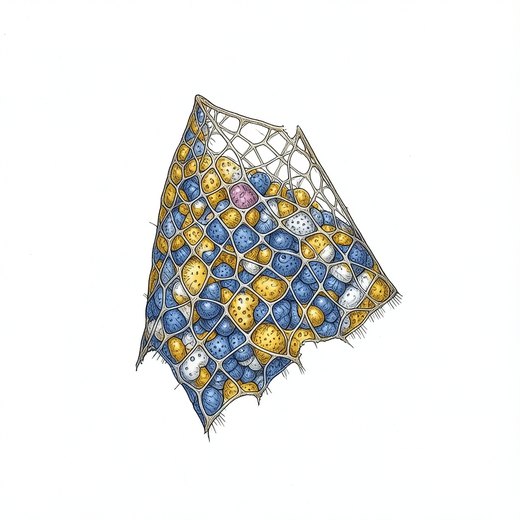
Fig. 3. Intake
Still small voice
❦ dominant organWhat must it feed on to work? What has to be present, noticed or supplied?
It feeds on testimony, ritual, need and the sense of something unseen, rather than on evidence.1, 2
drawn as: nerve net · view: detached
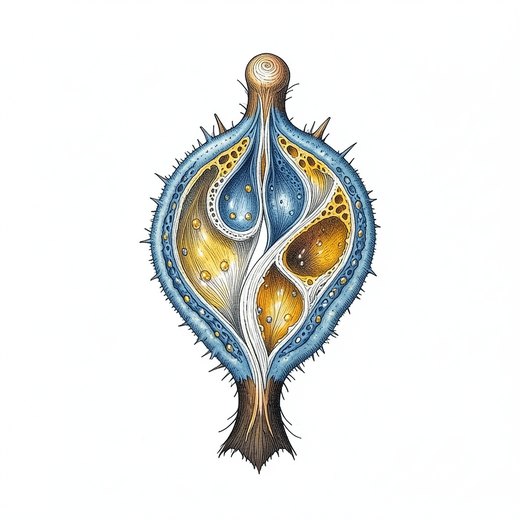
Fig. 4. Mechanism
Walking on water
How does it turn what it takes in into what it gives out?
Trust given in advance shapes perception and action, so that what is trusted is met, confirmed, or forgiven when it fails.2
drawn as: flush · view: pinned
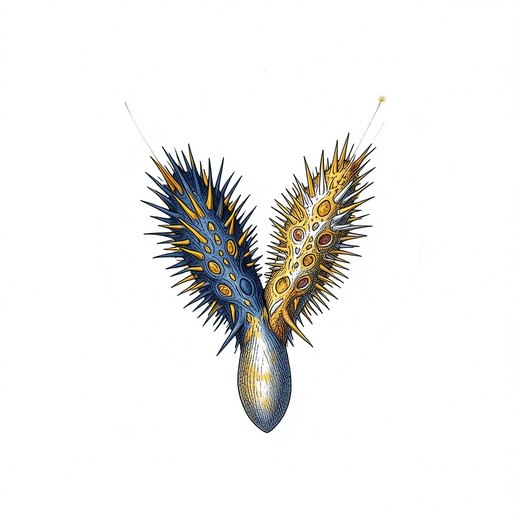
Fig. 5. Output
Pillar of fire
What does it make possible, visible or knowable?
It gives courage to act under uncertainty, communities bound by a shared trust, and a meaning for suffering.3
drawn as: signal · view: at work
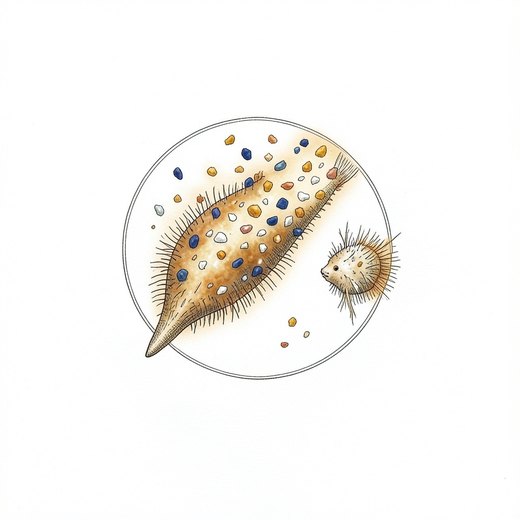
Fig. 6. Dispersal
Sower
What part of it travels into other minds, ideas and fields, and by what vector?
It spreads by testimony and example, from one believer to the next, and by rites that make it visible.3
drawn as: contagion · view: microscope
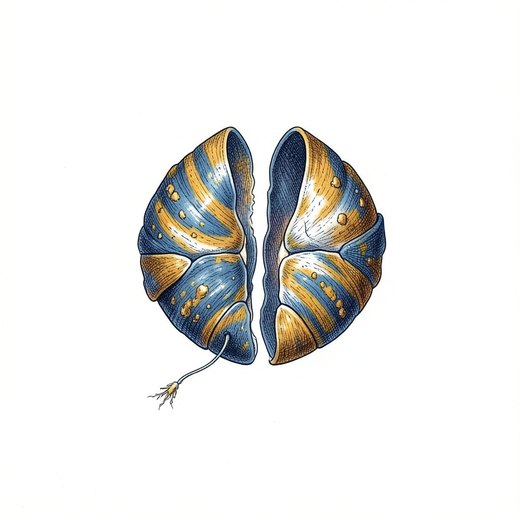
Fig. 7. Decay
Hardened heart
What can it not digest, where does it fail, and what does it leave behind for others?
It cannot digest contrary evidence without hardening into dogma or dissolving into doubt, and it can be borrowed by those who exploit it.2
drawn as: afterglow · view: series
II Meaning associations
descent membership food web resemblance or friction
Lineage
A founder, dissected by hand.
Offspring
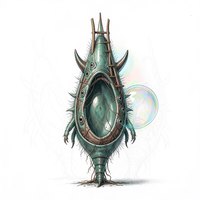
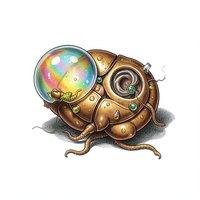
Food web
- feeds its output → the intake of Placebo
Faith gives communities bound by a shared trust; Placebo feeds on trust in the healer and the ritual of care. Faith's product is Placebo's food, as Placebo's founding notes predicted. - pollinated its dispersal → the kernel of Placebo
Faith spreads by testimony and example; Placebo's premise needs only a meaning, and testimony carries meanings. This is the channel pollination uses. - homology its kernel resembles the kernel of Placebo
Both say that something taken as true without proof acts on the one who takes it. Their mechanisms are close too, expectation shaping what is met. - friction its decay rubs against the decay of Placebo
Faith cannot digest contrary evidence and hardens or dissolves; Placebo survives being known for what it is, since open-label placebos still work.
Kin
same kind in Roget Apophenia, Dream, Memory, Placebo, Presence, Prophecy, Knowing Trust, Afterlistening, Commemorative Revision, Simultaneous Remembering, Hesychology, Subtractive Phenomenology
same kind in Wilkins Fear, Nostalgia, Silence, Volition, Knowing Trust, Witnessed Relief, Gazeroot (Mycelia), The Swing Door
same kind in WordNet Apophenia, Dream, Memory, Qualia, Silence, Volition, Afterlistening, Simultaneous Remembering, Hesychology, Subtractive Phenomenology
same kind in Llull Chiaroscuro, Geomancy, Innocence, Music, Patience, Ritual, Syllable, Symbol, Foresilence, Tide of Days, Subtractive Phenomenology
same phylum Erosion, Innocence, Rain, Vertigo
same dominant organ Fear, Patience, Prophecy, Resonance (Automata), Silence
Genome
III In the world
Echoes
- a trust fall
- a pilgrim walking toward a shrine
- money accepted because everyone accepts it
- a patient who keeps hoping
IV Record
How it was drawn
its draw 3, a point in the morphospace (laws §8), drawn by flux-2-klein-4b.safetensors.
| axis | value | |
|---|---|---|
| book | pathemata | |
| symmetry | spiral | |
| organization | nested | |
| silhouette | spire | |
| scale | microscopic | |
| proportion | elongated latent | |
| growth | gnomonic | |
| articulation | telescoping latent | |
| openness | spongy latent | |
| skeleton | exoskeleton | |
| locomotion | gliding latent | |
| pattern | rosettes latent | |
| coloration | nuptial latent | |
| substance | amber | |
| surface | frosted | |
| palette | indigo | |
| luminosity | points | |
| transparency | transparent latent | |
| gesture | coils | |
| unity | unmarked latent | |
| modality | possible latent | |
| causation | final | |
| determinacy | doubled latent | |
| fusion | becoming | |
| anomaly | tenant | |
| graft | origami | |
| technique | engraving | |
| viewpoint | below | |
| value | high key | |
| balance | unmarked latent | |
| density | sparse latent | |
| rhythm | alternating latent | |
| saturation | muted latent | |
| appendages | ocelli, valves | |
| anchor (body) | a sea anemone, a column crowned with rings of tentacles | |
| anchor (detail) | a sundew leaf covered in glistening sticky tentacles |
Sources
- Epistle to the Hebrews 11:1, faith as the evidence of things not seen
- William James, The Will to Believe (1896)
- Émile Durkheim, The Elementary Forms of Religious Life (1912)
❦