a founder of the codex
Chiaroscuro
Sciophota sculpens·the Rounding Shadow
From Greek skia, shadow, and phos, light, and Latin sculpere, to carve, the light and shadow that carve a form.
- Level
- Conceptorganism
- Book
- Semaphorathe bestiary of display
- Phylum
- Balanceimage schema
- Class
- Outputits display
- Niche
- Parasitethe mechanism of a host idea
- Mode
- Techniquehow it keeps existing
- Stage
- Matureindividuated
- Status
- Living
- Habitat
- Archive
Its kinds · Roget, 1852: Organic Matter · Wilkins, 1668: Sensible Quality · WordNet, 1990: Communication · Llull, 1308: K · Instrumentative
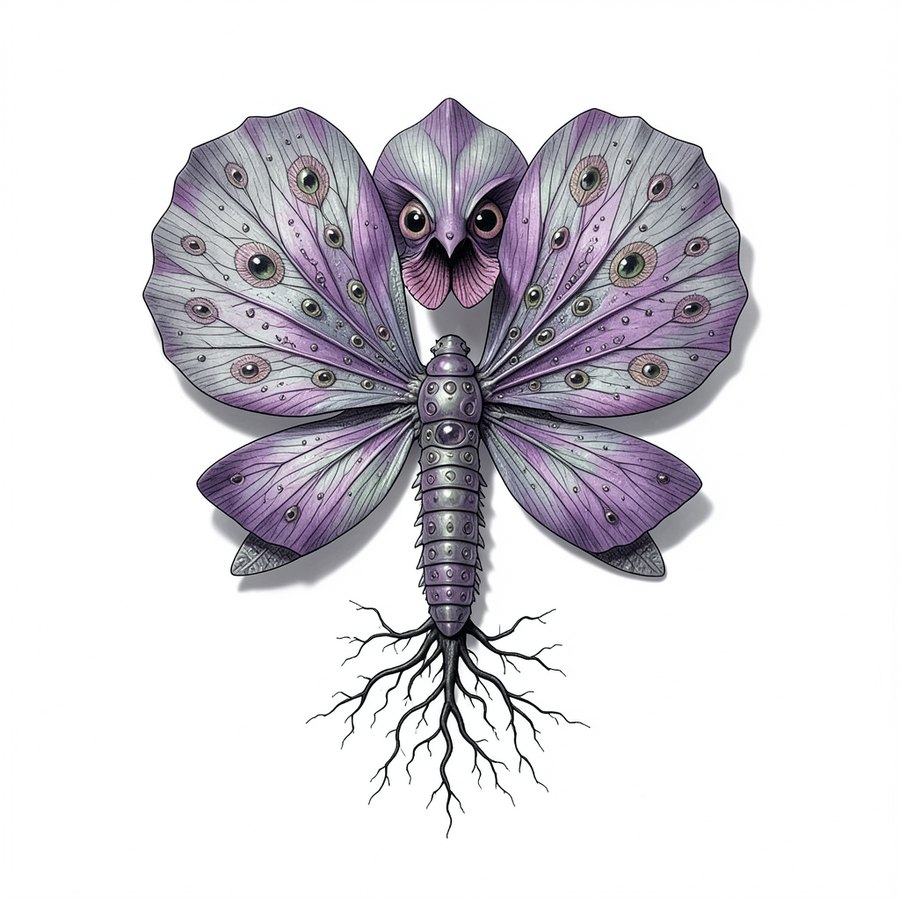
Light set against dark across a surface makes a flat image look round, since the eye reads graded shade as a form turning away from the light.
Light shows the shape of a thing only where shadow is allowed to fall on it.
behavior Keeps to the edge of a single light, turning one side to it and sinking the other into dark.
What in front of you would go flat if its shadows were taken away?
I Dissection
Each organ answers one question about the idea. The framed one, its output, is the dominant organ: the being's class, the one the idea could not lose and stay itself.
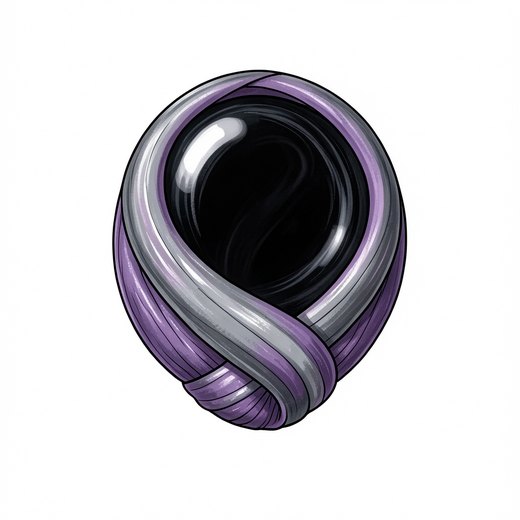
Fig. 1. Kernel
Terminator line
Which premise, if it were false, would kill this idea?
A form looks solid when light and dark are set against each other across it, the lit side turning by degrees into shadow.1
drawn as: glyph · view: cast
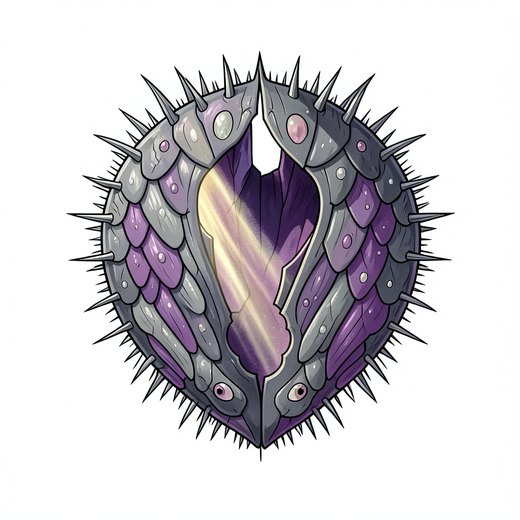
Fig. 2. Boundary
Cellar light
What sets it apart from what it is not, and how does it keep that distinction?
It is set apart from flat, even light, which shows colour and outline and hides depth, and it keeps that distinction by holding to one strong light and letting the rest fall dark.1, 2
drawn as: margin · view: magnified
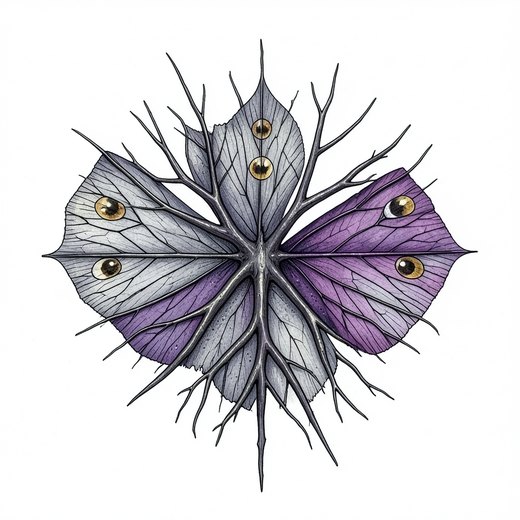
Fig. 3. Intake
Core shadow
What must it feed on to work? What has to be present, noticed or supplied?
It feeds on shadow, the shade on a surface turned from the light and the darkness that swallows its edges, and it needs one strong source to cast them.2, 5
drawn as: ocellus · view: pressed
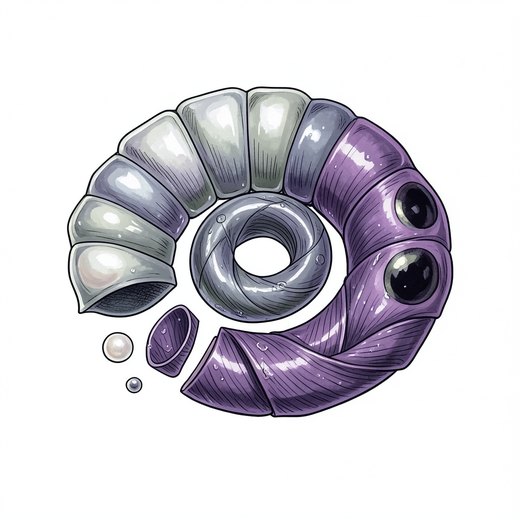
Fig. 4. Mechanism
Shape from shading
How does it turn what it takes in into what it gives out?
The eye reads graded tones as a surface curving toward or away from a light it assumes falls from above, so paint on a flat ground swells into relief.4
drawn as: chromatophore · view: pinned
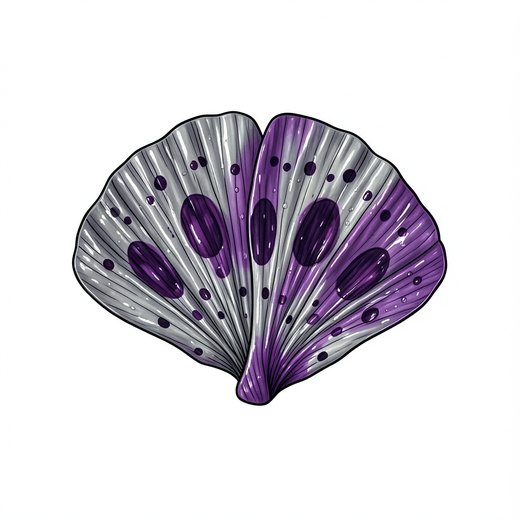
Fig. 5. Output
Relievo
❦ dominant organWhat does it make possible, visible or knowable?
It gives relief, the weight and depth of a figure on a flat surface, and lifts the lit figure out of the dark as the centre of the scene.1
drawn as: display · view: detached
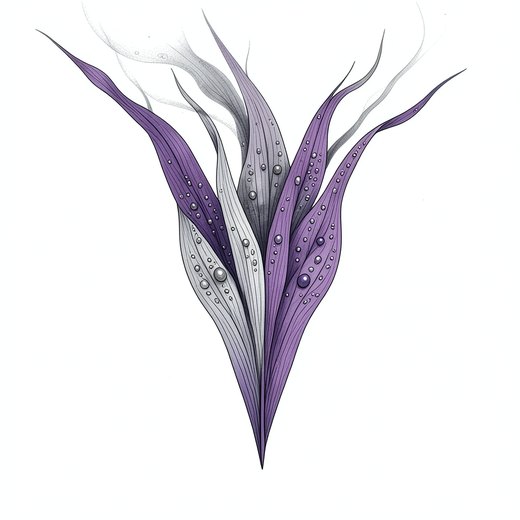
Fig. 6. Dispersal
Cast shadow
What part of it travels into other minds, ideas and fields, and by what vector?
It travels in cast shadows, which painters, photographers and filmmakers place to show where a thing stands, where the light comes from and what waits out of view.3
drawn as: ink · view: series
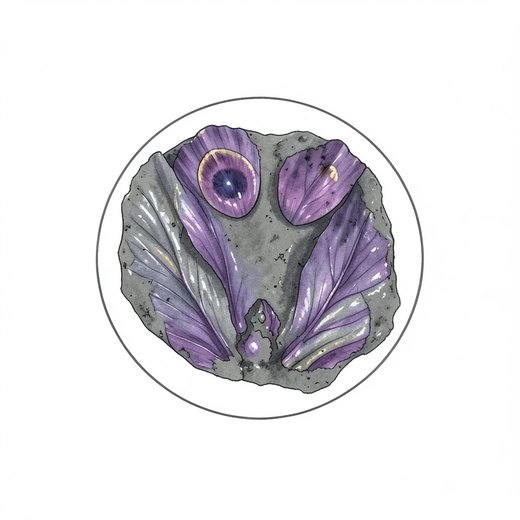
Fig. 7. Decay
Muddy greys
What can it not digest, where does it fail, and what does it leave behind for others?
Under even light its contrasts level into one grey and the volume goes flat. Pushed to excess, its shadows swallow the forms they model and leave lit fragments floating in the dark.4, 2
drawn as: palimpsest · view: microscope
II Meaning associations
No relations recorded yet.
descent membership food web resemblance or friction
Lineage
A founder, dissected by hand.
Kin
same kind in Roget Amber, Breath, Chimera, Entelechy, Music, Silence, Vertigo, The Common Lung, Shared Breath
same kind in Wilkins Qualia
same kind in WordNet Echolalia, Music, Prophecy, Syllable, Symbol, Babelhum, Poetry
same kind in Llull Faith, Geomancy, Innocence, Music, Patience, Ritual, Syllable, Symbol, The Shaping Pause, The Festival Calendar, Subtractive Phenomenology
same phylum Equinox, Salt, Symmetry, The Shaping Pause
same dominant organ Apophenia, Echolalia, Emergence, Erosion, Mimesis, Nostalgia, Placebo, Rain, Babelhum, Afterlistening, The Festival Calendar
Genome
- contrast
- shadow
- light also in Equinox
- volume
- relief also in Erosion, Witnessed Relief, Witnessed Relief (Mycelia)
III In the world
Echoes
- Caravaggio's Calling of Saint Matthew
- Rembrandt's late self-portraits
- the hard shadows of film noir
- a face lit by a single candle
IV Record
How it was drawn
its draw 1, a point in the morphospace (laws §8), drawn by flux-2-klein-4b.safetensors.
| axis | value | |
|---|---|---|
| book | semaphora | |
| symmetry | amorphous | |
| organization | segmented | |
| silhouette | fan | |
| scale | hand | |
| proportion | tapering latent | |
| growth | budding | |
| articulation | telescoping latent | |
| openness | sheet latent | |
| skeleton | unmarked latent | |
| locomotion | rolling latent | |
| pattern | reticulate latent | |
| coloration | eyespots | |
| substance | petal tissue | |
| surface | iridescent | |
| palette | storm | |
| luminosity | sheen | |
| transparency | layered latent | |
| gesture | emits | |
| unity | unmarked latent | |
| modality | unmarked latent | |
| causation | formal | |
| determinacy | doubled latent | |
| fusion | graft | |
| anomaly | false shadow | |
| graft | lenses | |
| technique | chromolith | |
| viewpoint | above | |
| value | unmarked latent | |
| balance | cantilevered latent | |
| density | intricate | |
| rhythm | alternating latent | |
| saturation | vivid latent | |
| appendages | ocelli, frills | |
| anchor (body) | an orchid whose lip is shaped like a lure | |
| anchor (detail) | manganese dendrites, fern-like black branching on stone |
Sources
- Leonardo da Vinci, Treatise on Painting (first printed 1651)
- Michael Baxandall, Shadows and Enlightenment (1995)
- E. H. Gombrich, Shadows: The Depiction of Cast Shadows in Western Art (1995)
- V. S. Ramachandran, Perception of Shape from Shading (Nature, 1988)
- Jun'ichirō Tanizaki, In Praise of Shadows (1933)
❦