Where everyone's safety depends on everyone staying calm, one sign of threat can set off a rush that makes the threat real.
A fear shared by enough people makes its own cause.
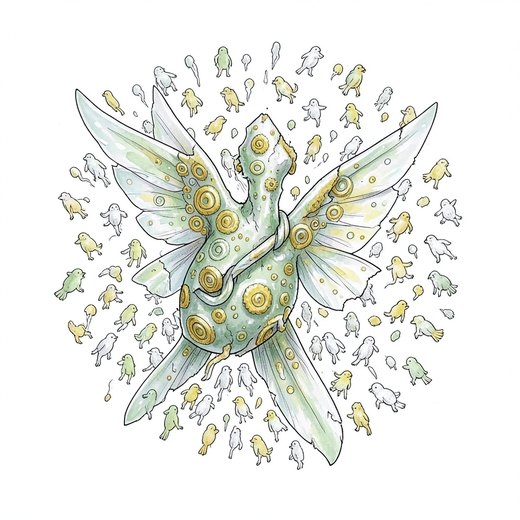
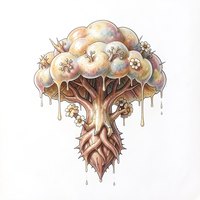
behavior Lies still and swollen until something brushes it, then bursts in one direction all at once and is left empty.
provocation
What around you holds only because no one has run yet?
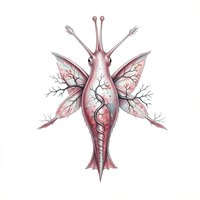
Each draw is the being derived afresh by the current laws at another seed (laws §11); the chosen one leads (where they sit in the morphospace).
I Dissection
Each organ answers one question about the idea. The framed one, its mechanism, is
the dominant organ: the being's class, the one the idea could not lose and stay itself.
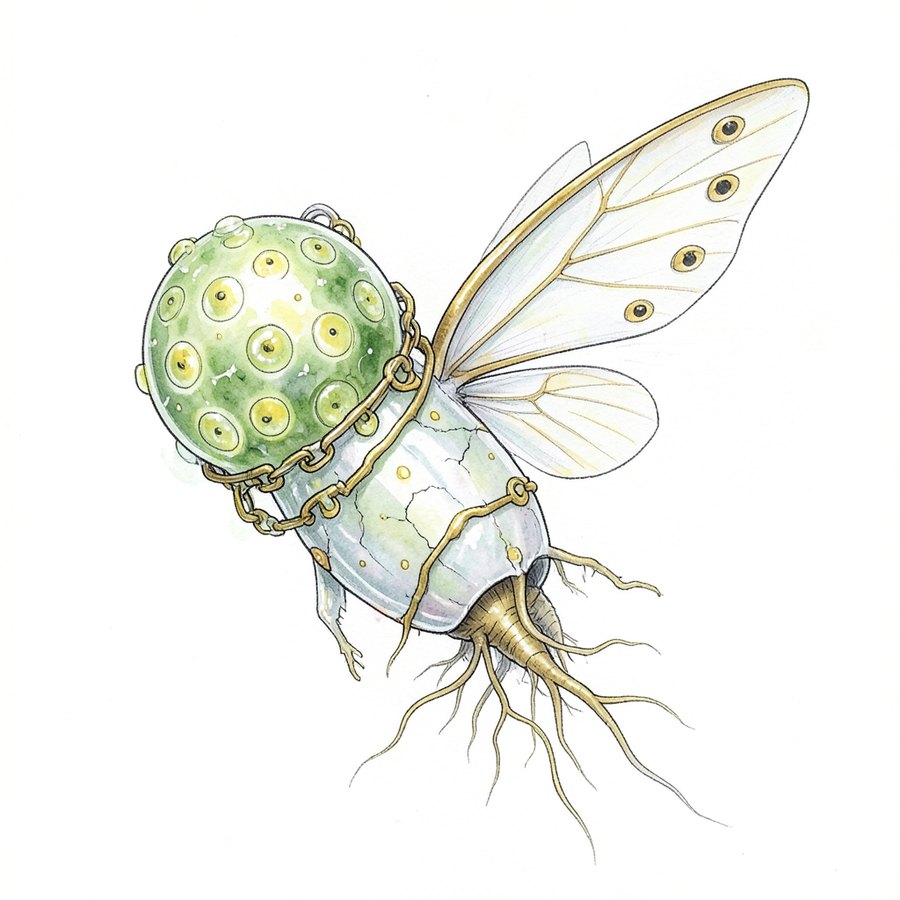
Fig. 1. Kernel
Fractional reserve
Which premise, if it were false, would kill this idea?
Where everyone depends on everyone else staying calm, a single sign of threat can release the stored doubt of all at once, and the rush makes the threat real.1, 2
drawn as: heart of light · view: magnified
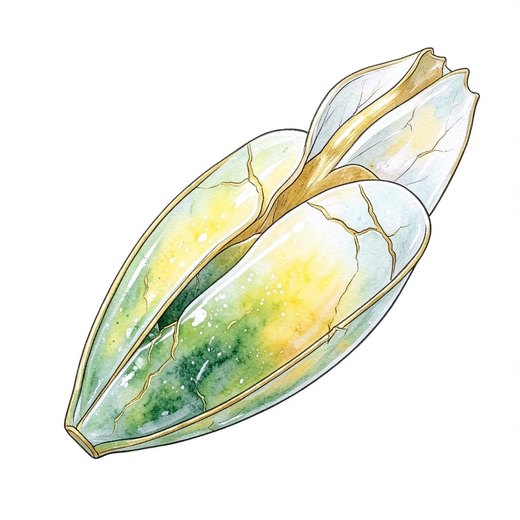
Fig. 2. Boundary
Sunspot equilibrium
What sets it apart from what it is not, and how does it keep that distinction?
It is set apart from ordinary fear by an object that the fear itself makes; before the rush the bank was sound and the exit wide enough.1
How does it turn what it takes in into what it gives out?
Each who runs makes it wiser for the next to run, a runaway loop, until the stored confidence is spent within the hour.2, 3
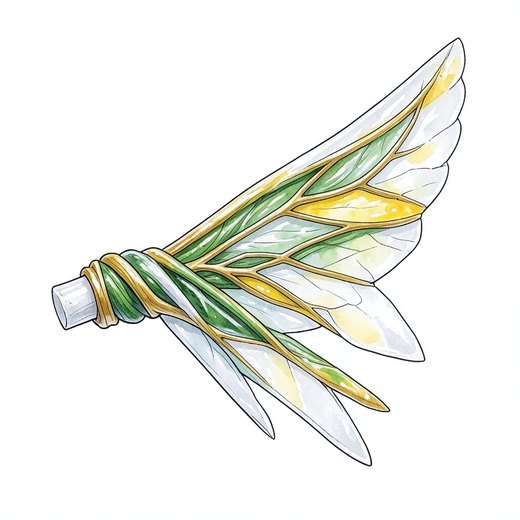
drawn as: wing joint · view: detached
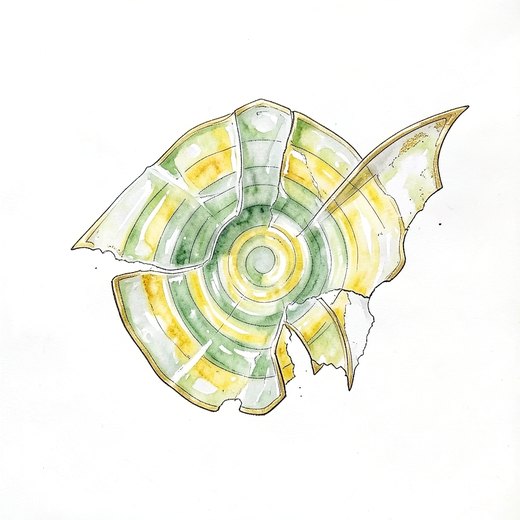
Fig. 5. Output
Empty vault
What does it make possible, visible or knowable?
It gives the collapse it feared, an empty vault or a crush at the gate, and afterwards the rules, deposit insurance and wider doors, that keep the store from breaking again.2
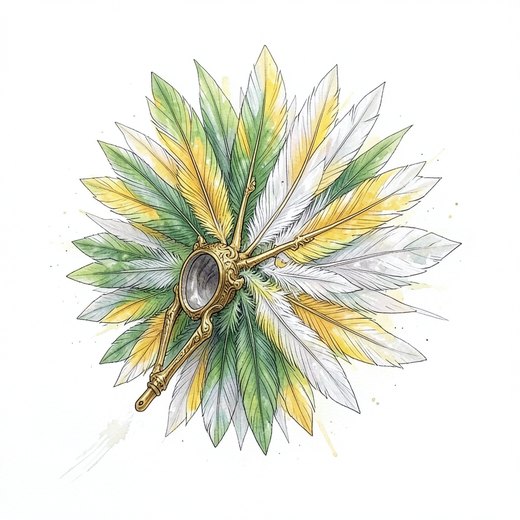
drawn as: gilded plumes · view: at work
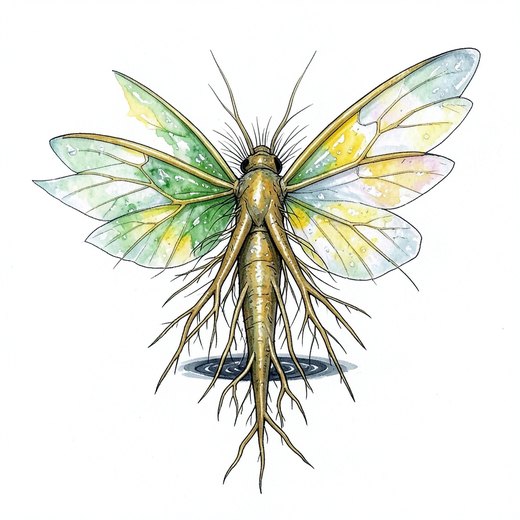
Fig. 6. Dispersal
Contagion
What part of it travels into other minds, ideas and fields, and by what vector?
It travels by being seen, queues on the news and a crowd surging, and as the parable of the sound bank that a rumour broke.1, 4
drawn as: down · view: in situ
Fig. 7. Decay
Crying wolf
What can it not digest, where does it fail, and what does it leave behind for others?
It exhausts itself once the store is spent, and it cannot tell a true warning from a false one; the bank that would have failed and the bank that would not fall alike.2
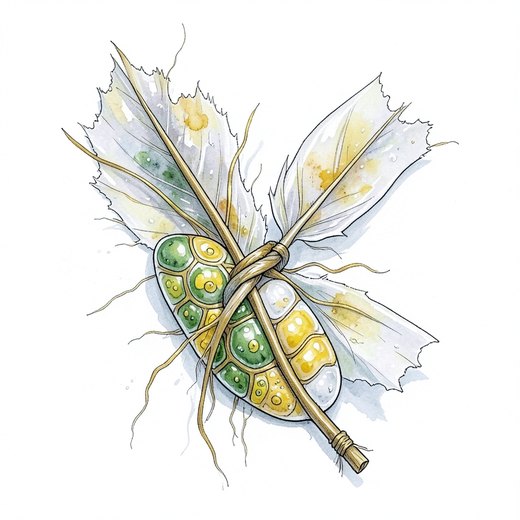
drawn as: fallen feather · view: pressed
II Meaning associations
descent membership food web resemblance or friction
Bank runs and crowd crushes follow one course, a slow build of shared exposure, a trigger that is often a rumour, and a release that is fastest where each person can see others running.
Guarantees that remove the reason to run first, deposit insurance or wider exits, stop the cascade more reliably than reassurance does.
Runs strike sound and unsound institutions alike when the trigger is visible, so the rush is a poor guide to whether the alarm was true.
Fruits
practice
Calm by design
Before a hall opens or a bank launches, map what a single sign of threat could release, and design it so that no one gains by running first, more exits than the crowd needs, guarantees that hold whoever withdraws, announcements that never show a queue.2, 3
What around you holds only because no one has run yet?
study
Watching the queue
Gather the records of bank runs and crowd crushes and test whether the release ran fastest where people could see others running, queues shown on the news, a surge in view of the exits, rather than where the danger was greatest.4, 3
How much of a danger is the running from it?
game
Last bank standing
A cooperative card game in which the players share one bank. Each turn brings rumours; any player may withdraw, and every withdrawal makes the next more tempting. The bank is sound all along, and the game is lost only if enough players run.
What around you holds only because no one has run yet?
bridge Both are fast releases of something stored, and both reorganize everything around them in minutes.
friction Storm needs no belief; it happens whether or not anyone expects it. Fear is nothing without a mind that reads a sign.
tension Can a fear, shared by enough people, behave like weather, a runaway that makes its own cause?
questions neither parent could ask
When a crowd runs from a danger, how much of the danger is the running?
What store of calm does a bank, a theatre or a market keep under a lid?
Can the trigger be false and the collapse still real?
grafting: What does a runaway release do when it is fed on signs of threat rather than on warm air?
candidate
emergence
depth
ground
distance
total
crush-at-the-gate
2
2
3
1
8
Crowd crush dynamics are well modelled; it is a setting of the being, not the being.
self-fulfilling-alarm
3
3
3
2
11
Needs Storm's runaway loop and Fear's food. Bank runs, modelled by Diamond and Dybvig and broken open by Northern Rock, and Merton's self-fulfilling prophecy ground it. Merton named the idea, hence 2 on distance; the graft adds the weather of it, a store under a lid.
flock-flight
1
1
3
1
6
Fear's own dispersal.
moral-panic
2
2
3
2
9
Slower than a storm; it is closer to rumour than to release.
Record 2026-10-25-storm-x-fear in lab/.
How it was drawn
its draw 1, a point in the morphospace (laws §8), drawn by flux-2-klein-4b.safetensors.
axis
value
from
book
aetheria
Fear
symmetry
spiral
Fear
organization
chained
Fear
silhouette
bell
Storm
scale
microscopic
Fear
proportion
sheared latent
Fear
growth
swelling
Fear
articulation
jointed latent
Storm
openness
lattice latent
Storm
skeleton
unmarked latent
Storm
locomotion
jetting
Storm
pattern
plain latent
Fear
coloration
cryptic latent
mutation
substance
ice
Storm
surface
crackled
Fear
palette
meadow
Storm
luminosity
points
mutation
transparency
layered latent
Storm
gesture
turns
mutation
unity
fragment latent
Storm
modality
contingent latent
Fear
causation
material latent
mutation
determinacy
dissolving latent
Storm
fusion
becoming
Storm
anomaly
unfinished
Fear
graft
none
mutation
technique
watercolour
Fear
viewpoint
motion
mutation
value
high key latent
Fear
balance
leaning
Fear
density
graded detail latent
Fear
rhythm
clustered
mutation
saturation
muted latent
Storm
appendages
tentacles
Fear
anchor (body)
a volvox, a hollow sphere of green cells with daughter spheres inside
Storm
anchor (detail)
a sensitive plant, its leaflets folding shut at a touch
Fear
Sources
Robert K. Merton, The Self-Fulfilling Prophecy (The Antioch Review, 1948)
Douglas W. Diamond and Philip H. Dybvig, Bank Runs, Deposit Insurance, and Liquidity (Journal of Political Economy, 1983)
Dirk Helbing, Illés Farkas and Tamás Vicsek, Simulating dynamical features of escape panic (Nature, 2000)
Hyun Song Shin, Reflections on Northern Rock: The Bank Run that Heralded the Global Financial Crisis (Journal of Economic Perspectives, 2009)