a founder of the codex
Fire
Pyrocatena accendens·the Kindling Chain
From Greek pyr, fire, and Latin catena, chain, and accendens, kindling, a chain of fire that lights each next link.
- Level
- Conceptorganism
- Book
- Mineralsthe mineralogical treatise
- Phylum
- Forceimage schema
- Class
- Mechanismits lattice
- Niche
- Decomposerwhat is dead
- Mode
- Reproductionhow it keeps existing
- Stage
- Matureindividuated
- Status
- Living
- Habitat
- Ritual
Its kinds · Roget, 1852: Inorganic Matter · Wilkins, 1668: Element · WordNet, 1990: Process · Llull, 1308: I · Elementative
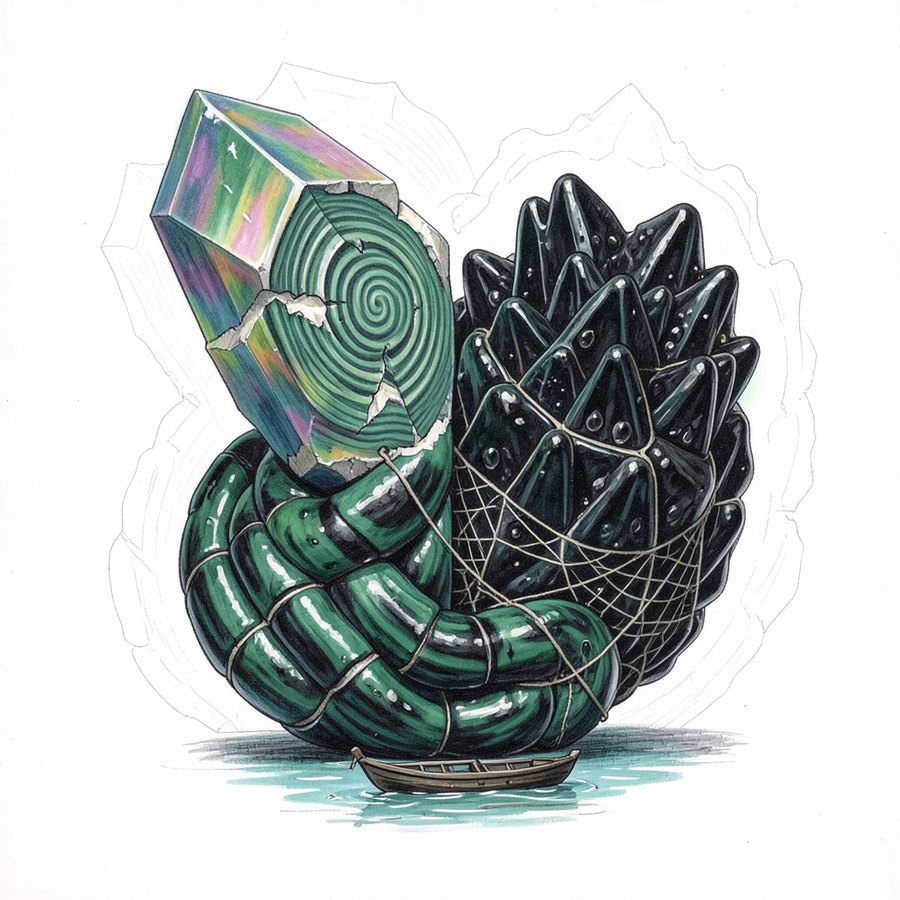
Fire is matter transformed in a chain that feeds itself, each burning part heating the next until its fuel or air is spent.
What burns is changed at once, and its change lights the next thing it touches.
behavior It waits as a spark at the edge of cold fuel, leaps up the moment it catches, and sinks back to embers when its fuel is spent.
What in you, once lit, keeps lighting the next thing it touches?
I Dissection
Each organ answers one question about the idea. The framed one, its mechanism, is the dominant organ: the being's class, the one the idea could not lose and stay itself.
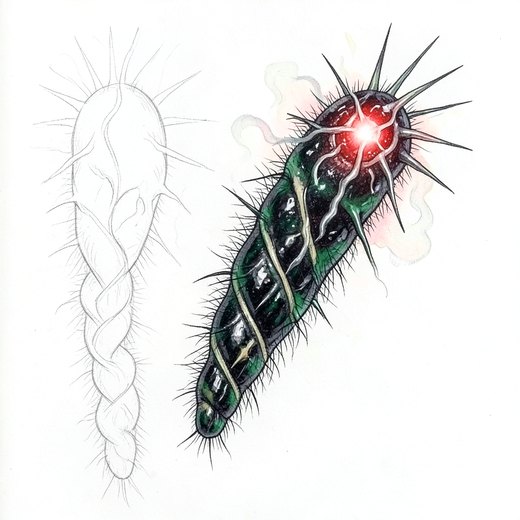
Fig. 1. Kernel
Combustion
Which premise, if it were false, would kill this idea?
Fire is matter changing fast, fuel and oxygen turned into heat, light, smoke and ash within seconds.1
drawn as: seed crystal · view: series
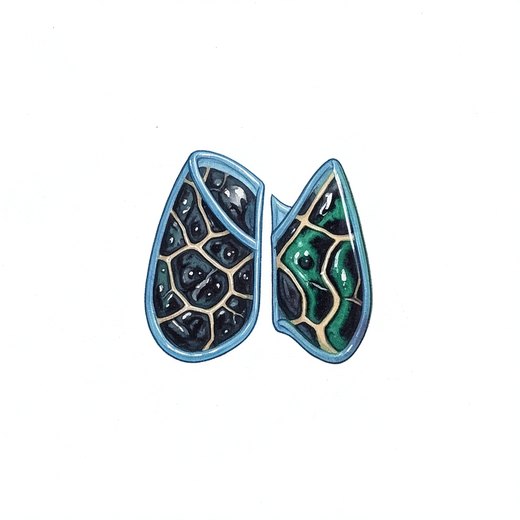
Fig. 2. Boundary
Flash point
What sets it apart from what it is not, and how does it keep that distinction?
It is set apart from cold matter by an ignition point, the heat below which wood, wax and oil stay unchanged for years.2
drawn as: rind · view: transparent
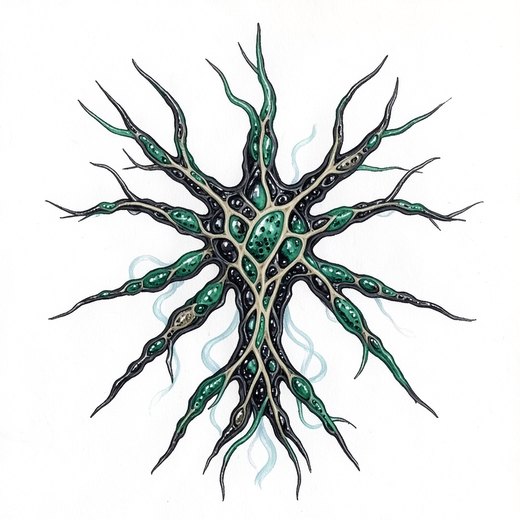
Fig. 3. Intake
Wick
What must it feed on to work? What has to be present, noticed or supplied?
It feeds on fuel and air together, the fuel drawn in as vapour and the oxygen drawn in from all around.2, 1
drawn as: mother liquor · view: pinned
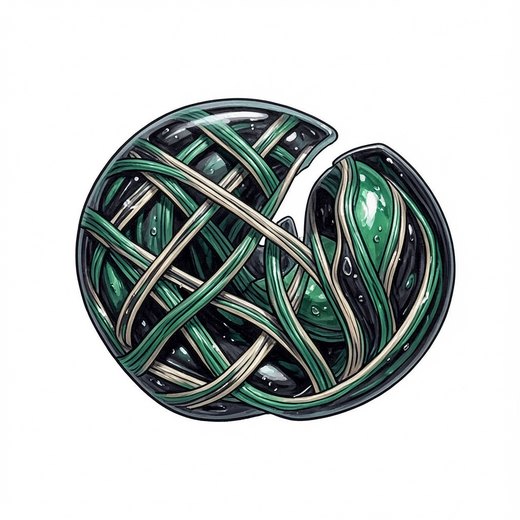
Fig. 4. Mechanism
Chain reaction
❦ dominant organHow does it turn what it takes in into what it gives out?
Heat turns fuel to vapour, the vapour burns, and its heat turns more fuel to vapour, a chain that runs on itself once lit.2
drawn as: lattice · view: exploded
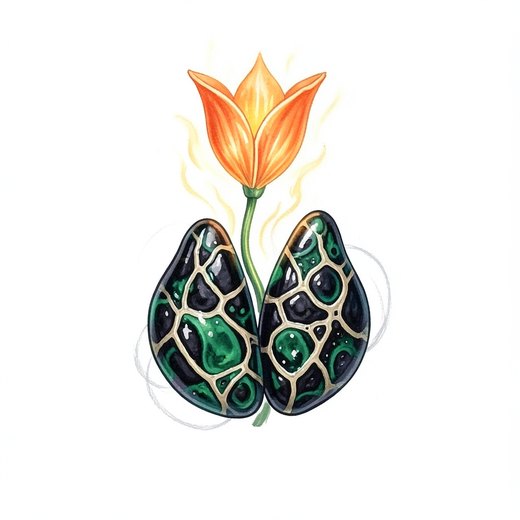
Fig. 5. Output
Hearth
What does it make possible, visible or knowable?
It gives heat and light, and with them cooked food, smelted metal, fired clay and the long evening around the hearth.3
drawn as: habit · view: at work
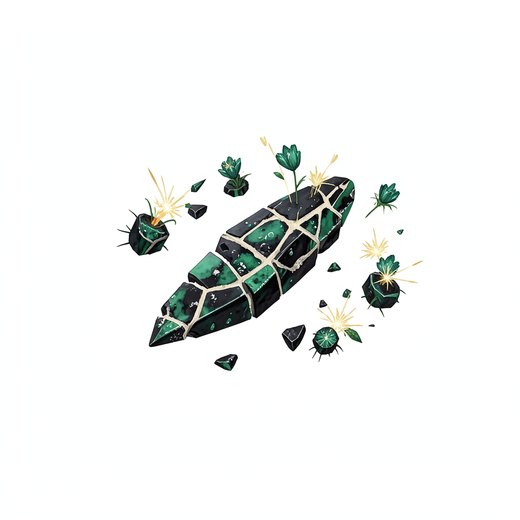
Fig. 6. Dispersal
Ember storm
What part of it travels into other minds, ideas and fields, and by what vector?
It spreads as sparks and embers carried ahead of its front, and it travels in thought as the gift stolen from the gods and the image of passion and purification.3, 4
drawn as: shard · view: detached
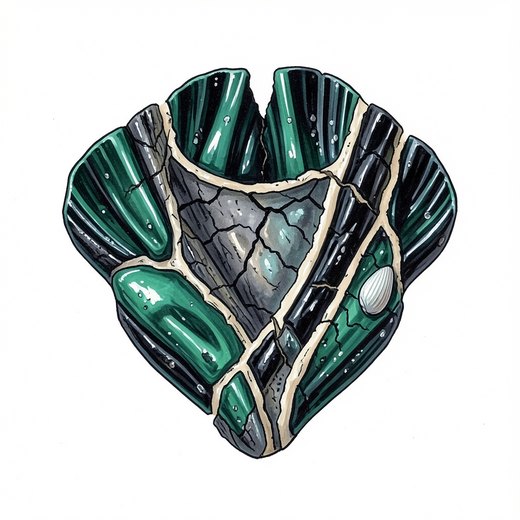
Fig. 7. Decay
Serotinous cone
What can it not digest, where does it fail, and what does it leave behind for others?
It dies when its fuel or air is spent, and it leaves ash and charcoal that feed the soil, where the seeds of some pines open only after a fire.3
drawn as: weathering · view: magnified
II Meaning associations
No relations recorded yet.
descent membership food web resemblance or friction
Lineage
A founder, dissected by hand.
Kin
same kind in Roget Erosion, Rain, Salt, Storm, Wind
same kind in Wilkins Rain, Storm, Wind
same kind in WordNet Breath, Entelechy, Entropy, Erosion, Metamorphosis, The Common Lung, Self-Fulfilling Alarm, Shared Breath, Self-Ending Order, Tongue Horizon, Witnessed Relief, Witnessed Relief (Mycelia), Commemorative Revision, Fear's Breath
same kind in Llull Amber, Emergence, Entanglement, Entropy, Erosion, Rain, Resonance, Resonance (Automata), Salt, Storm, Wind, Self-Ending Order
same phylum Fear, Storm, Volition, Self-Fulfilling Alarm, Self-Ending Order
same dominant organ Chimera, Dream, Metamorphosis, Music, Presence, Resonance, Ritual, Storm, Symbol, The Common Lung, Self-Fulfilling Alarm, Shared Breath, Self-Ending Order, Witnessed Relief (Mycelia), Commemorative Revision, Fear's Breath, The Shaping Pause, Simultaneous Remembering, Poetry, Subtractive Phenomenology
Genome
- ignition
- combustion
- transformation also in Symmetry
- heat
- renewal
III In the world
Echoes
- the hearth
- a candle flame
- a forest fire and the pine seeds it releases
- the fire stolen from the gods
IV Record
How it was drawn
its draw 1, a point in the morphospace (laws §8), drawn by flux-2-klein-4b.safetensors.
| axis | value | |
|---|---|---|
| book | minerals | |
| symmetry | dendritic | |
| organization | segmented | |
| silhouette | sac | |
| scale | immense | |
| proportion | graded latent | |
| growth | accretion | |
| articulation | jointed latent | |
| openness | hollow latent | |
| skeleton | spicules latent | |
| locomotion | drifting latent | |
| pattern | stripes latent | |
| coloration | nuptial latent | |
| substance | obsidian | |
| surface | pleated | |
| palette | malachite | |
| luminosity | inner glow | |
| transparency | transparent latent | |
| gesture | coils | |
| unity | unmarked latent | |
| modality | possible | |
| causation | final latent | |
| determinacy | crisp latent | |
| fusion | mirrored | |
| anomaly | scale clash | |
| graft | nets | |
| technique | gouache | |
| viewpoint | below | |
| value | chiaroscuro latent | |
| balance | cantilevered latent | |
| density | graded detail | |
| rhythm | alternating latent | |
| saturation | vivid | |
| appendages | cilia, valves | |
| anchor (body) | a bismuth crystal, stepped hopper squares with an iridescent skin | |
| anchor (detail) | standing waves on a vibrating liquid, a lattice of peaks |
Sources
- Antoine Lavoisier, Traité élémentaire de chimie (1789)
- Michael Faraday, The Chemical History of a Candle (1861)
- Stephen J. Pyne, Fire: A Brief History (2001)
- Gaston Bachelard, La Psychanalyse du feu (1938)
❦